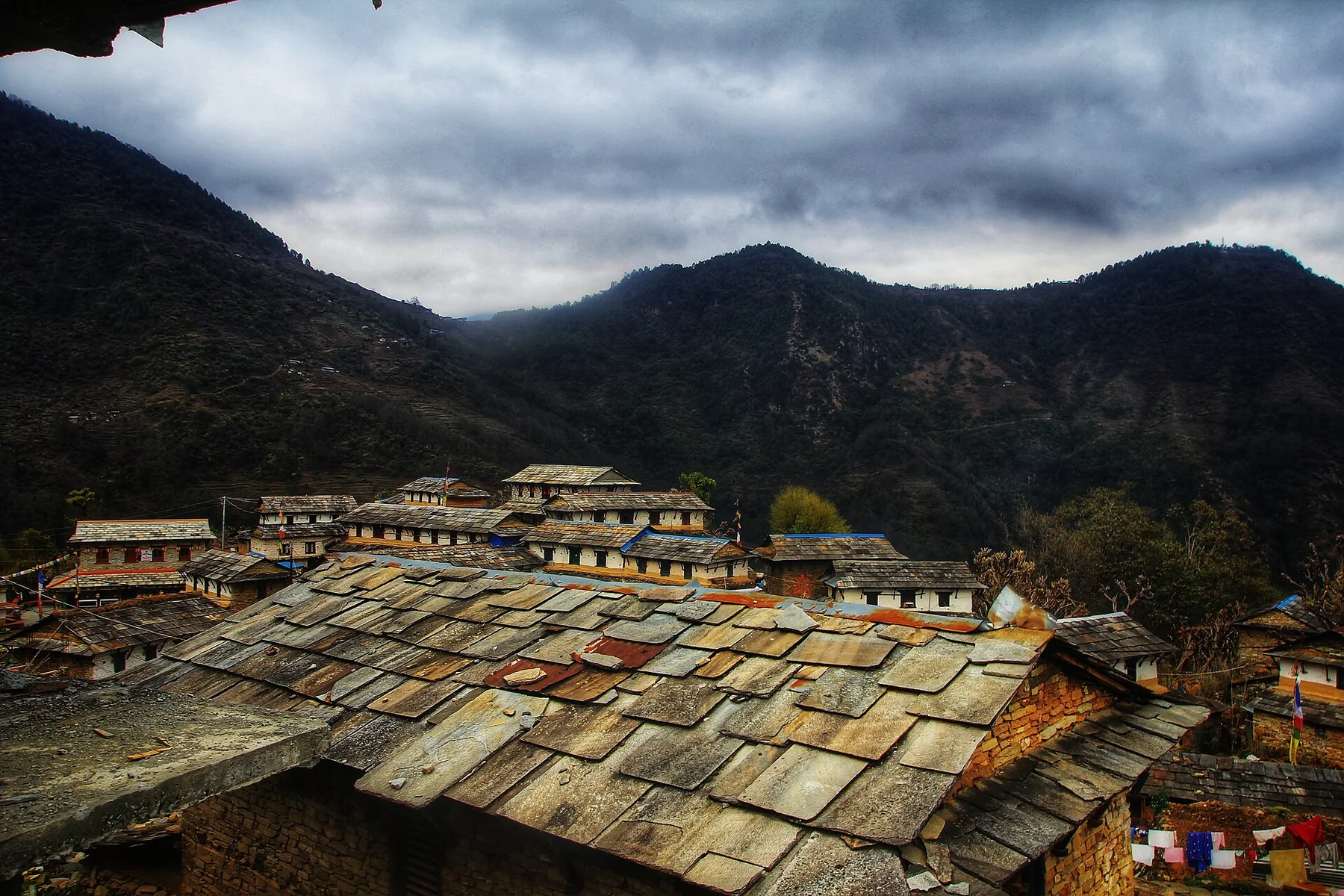
It is easy to describe a village only in relation to the next viewpoint. A more useful starting point for Ghandruk is the settlement itself: roofs, thresholds, cultivated surroundings and the ordinary spaces between buildings. Plan enough room to notice that setting without treating daily life as a performance arranged for visitors.
A settlement with a conservation history
The National Trust for Nature Conservation identifies Ghandruk as the place where the Annapurna Conservation Area Project began its pilot work in 1986. That history helps explain why a visit can be understood through the relationship between residents and the surrounding landscape, as well as through trekking.
This guide does not speak for a resident or a community organisation. If a host or local guide offers an account of their work, listen to how they describe it and credit that perspective to the person concerned. A regional overview cannot substitute for someone explaining their own home.
Leave space around a visit
A useful day plan separates getting there from being there. Ask where a transfer ends, how the accommodation is reached and what the remaining walking involves. Check those details against your own mobility and luggage needs rather than assuming that the word “village” describes one compact, level place.
- Before arrival, confirm the meeting place and how changes will be communicated.
- In the village, ask before entering a courtyard or photographing a person.
- For an organised activity, clarify who is hosting it and what participation includes.
- Before leaving, keep time for the onward connection rather than filling every gap.
Notice the working landscape
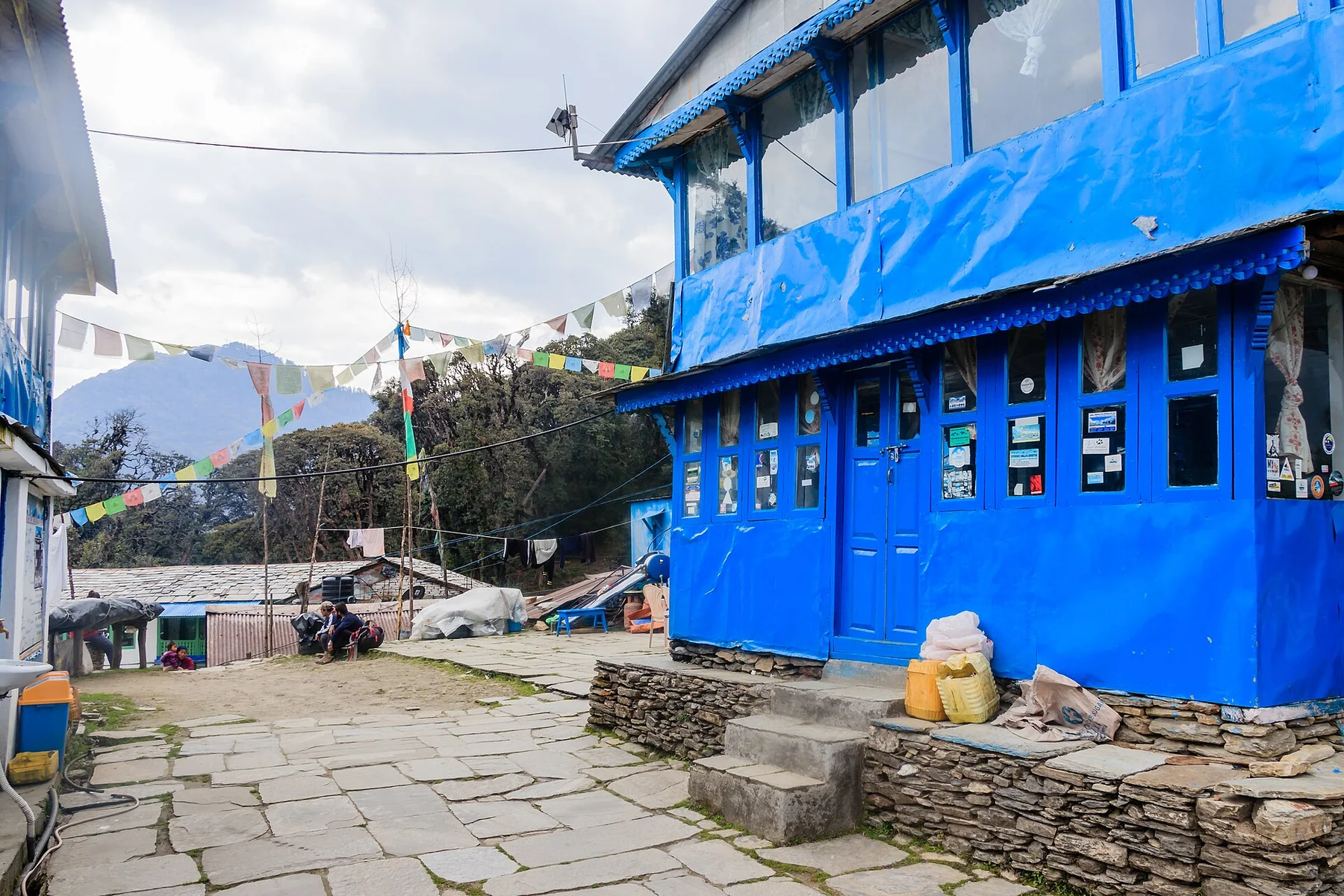
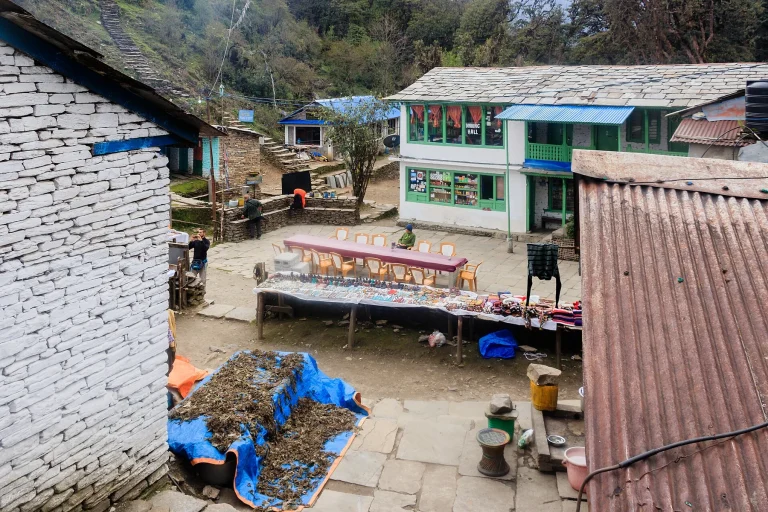
The doorway shown here is a documented scene from Tadapani, not an image of Ghandruk village centre or a recommendation of a currently available room. Keeping that distinction visible matters: nearby places have their own identities, and a photograph should not silently move between them.
The same care applies to cultivated land. View fields from an appropriate public route, avoid blocking paths and ask locally before entering private spaces. A quiet moment looking at the relationship between a roofline and a slope can be more informative than trying to collect every advertised stop.
Connect the visit to the wider region
Compare the southern setting with the northern landscape in Choosing a valley in Annapurna. For a base, use the questions in Staying in the Annapurna region. These connections help you build a coherent journey without assuming that every village belongs on the same trip.
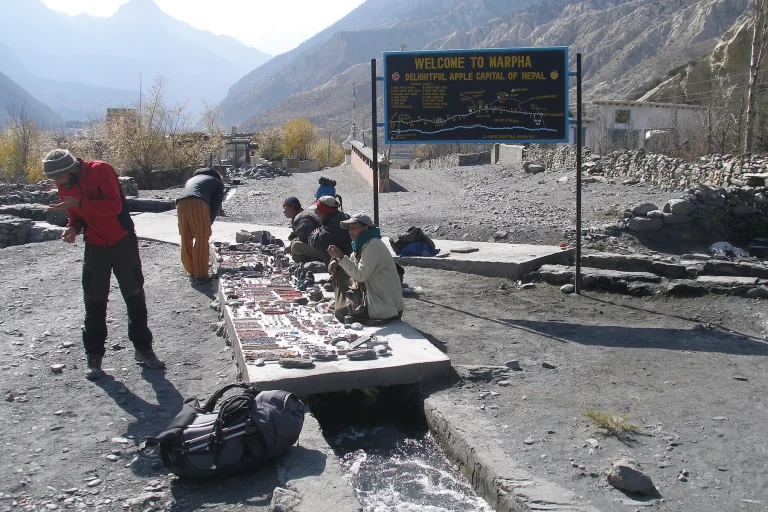
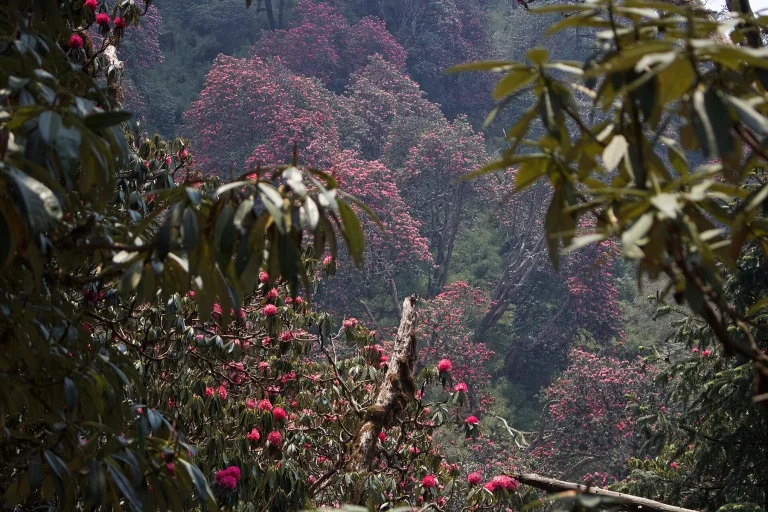
Historical reference: NTNC: Annapurna Conservation Area Project. Photograph locations and dates follow their individual source records.

Annapurna Circuit Trek Fixed departure (Oct 1st/ Nov 1st 2025)
Poonhill Trek is a part of beautiful Annapurna Circuit Trek & Nepal’s one of the most famous, shortest & easiest tea-house treks that includes the b...

Mardi Himal Trek -5 Day Short Trek From Pokhara
Embark on a journey to a hidden treasure of the Annapurna region, the Mardi Himal trek. Leading you to the lap of th...

8-Day Annapurna Circuit Private Trekking Tour
Trek the Annapurna Circuit on this 8-day guided adventure through diverse landscapes from forests to high-altitude d...

3 days Upper Budhi Gandaki whitewater rafting
Budhi Gandaki starts on the eastern slopes of Manaslu (the 8th highest peak in the world) and the Ganesh Himal thus...