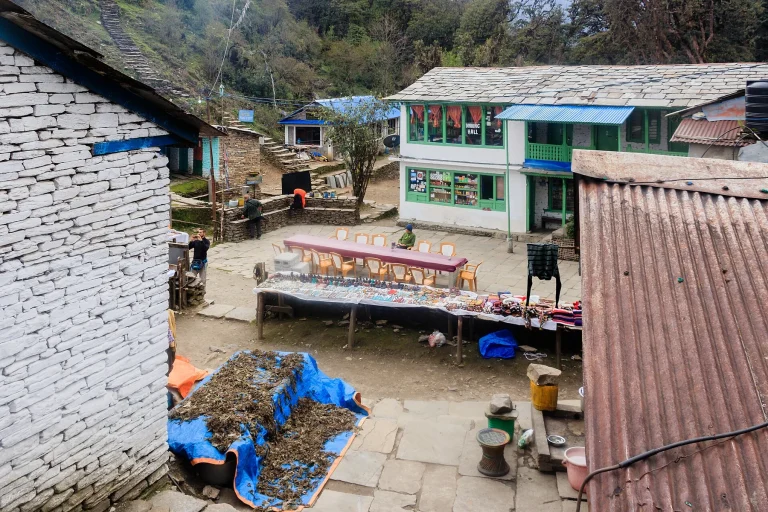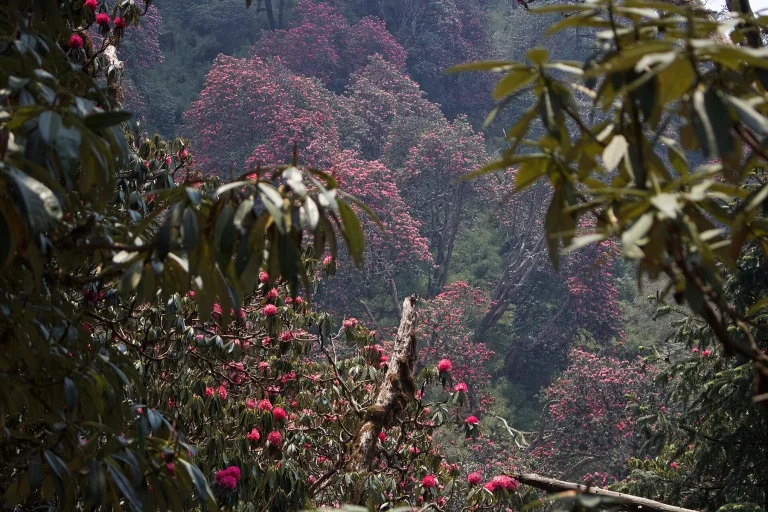
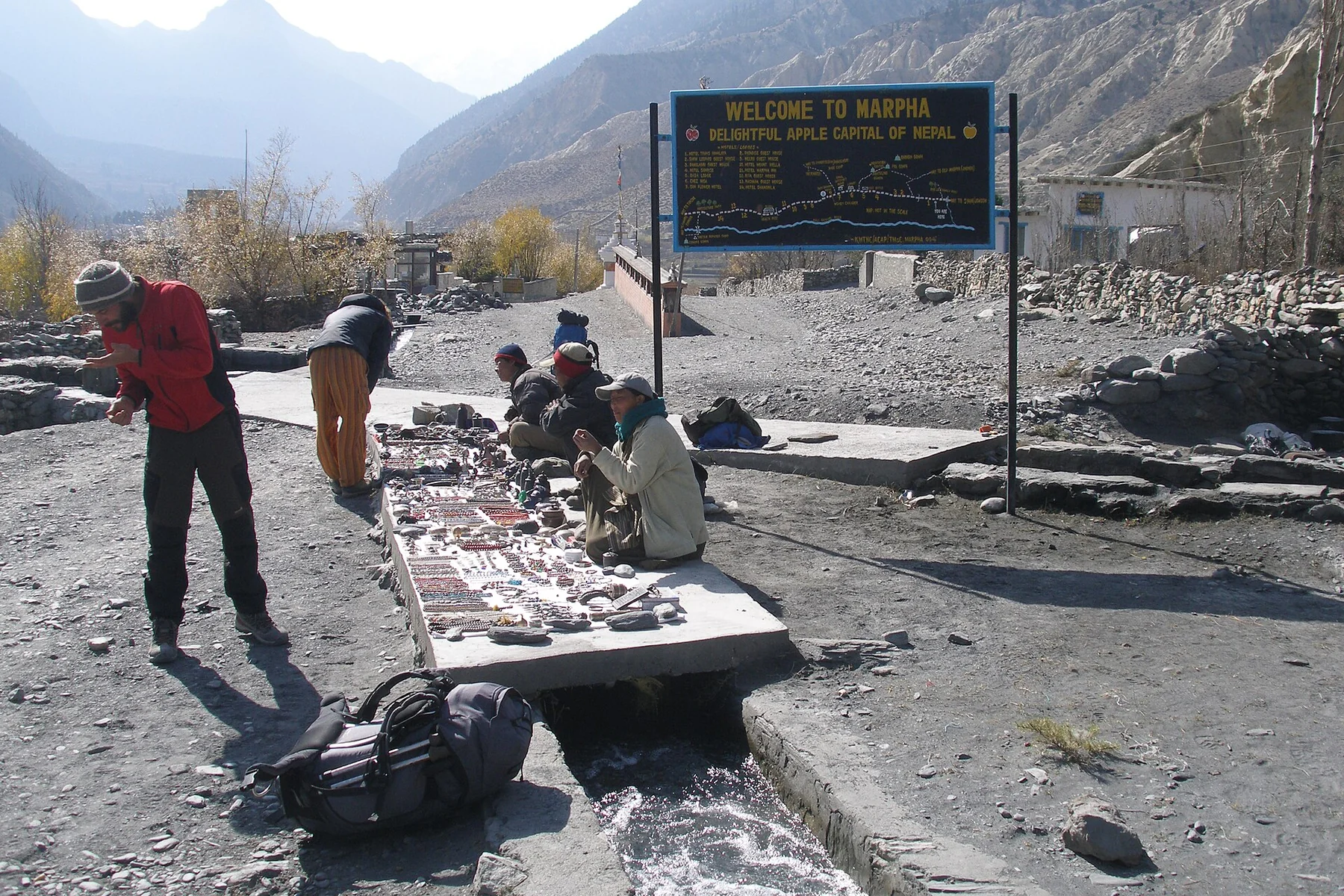
A useful plan makes its assumptions visible. Begin with a named part of Annapurna and the reason you want to spend time there. Then separate what has been confirmed from what still depends on a provider, an official requirement or conditions closer to departure.
Make a short planning record
Use three headings: places, arrangements and questions. Under places, record the actual settlements or valley you are considering. Under arrangements, keep confirmed dates, meeting details and the provider responsible for each stage. Under questions, list anything that is still only an expectation.
This simple separation prevents a route description from being mistaken for a reservation. It also makes changes easier to discuss. If one part of the trip moves, you can see which connected arrangements need attention without rewriting the whole idea from memory.
Use the responsible source for current requirements
NTNC provides an official entry-permit information service for its conservation areas. Start there for its current process, and check other requirements with the authority responsible for the exact journey. A general regional guide cannot establish that one document covers every place or activity you might add.
- Identify the exact destination rather than selecting an area from a photograph.
- Check the current official guidance before committing to arrangements.
- Keep confirmation documents and the relevant provider’s contact details accessible.
- Ask an appropriately qualified professional about personal health or specialist requirements.
Leave room for an ordinary change
Discuss how a delay, altered meeting point or changed arrival will be handled. Ask who makes the decision, how you will be contacted and what the agreed terms cover. Do not assume that an optional stop can be added without affecting transfers, accommodation or requirements elsewhere in the plan.
Keep a short, readable version of the itinerary with the people travelling together. Use full place names where possible. A clear shared record is more practical than several different message threads containing partial updates.
Choose what to leave out
A regional guide offers possibilities; it is not a checklist that must be completed. Choosing one setting with enough time to understand it can be more coherent than collecting place names from several valleys. Explain your priorities when comparing tours, including the balance of travel, walking and time in settlements.
Return to the valley comparison if the scope is still too broad. Use the accommodation questions when a base becomes clear. For provider-led options, compare the current tour details and read what is included before making a booking.
Current official starting point: NTNC entry-permit information. This article deliberately does not reproduce fees, processing promises or a route-specific safety schedule.