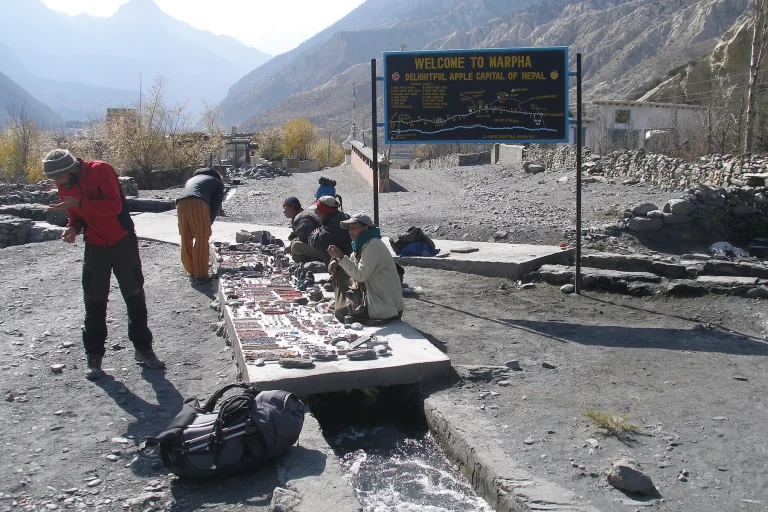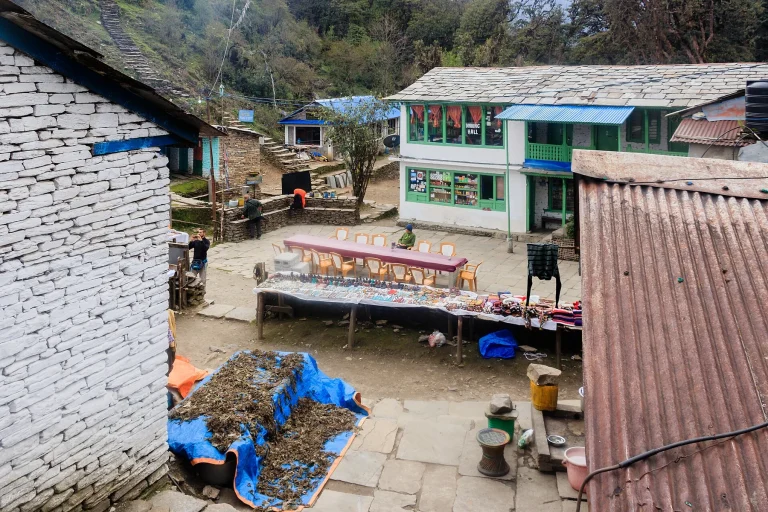
A forest approach changes the scale of a journey. Attention moves from the outline of a distant ridge to steps, branches, light and the people sharing a path. That close view is a useful place to begin thinking about conservation in Annapurna.
People are part of the landscape
NTNC describes its conservation work as an approach that connects local livelihoods with environmental care. Its conservation-economy programme includes tourism, agriculture and community infrastructure rather than treating the protected landscape as empty country. For a visitor, this is a reason to ask how a service works locally, not merely whether its advertising uses the word sustainable.
A conservation label is not a substitute for a specific explanation. Ask who provides a service, where a group will stop and how waste will be handled. A clear answer about one practical arrangement is more useful than a broad promise about having no impact.
Prepare for the small decisions
- Before setting out:
- Reduce unnecessary packaging in what you carry.
- Ask your host about the arrangements for refilling, waste and meals.
- Keep an accessible place in your bag for items you will take away again.
- On the path:
- Follow the locally indicated route rather than creating a shortcut for a photograph.
- Leave plants and other natural material where they are.
- Make room for people using the path for work or travel.
Keep a photograph tied to its moment
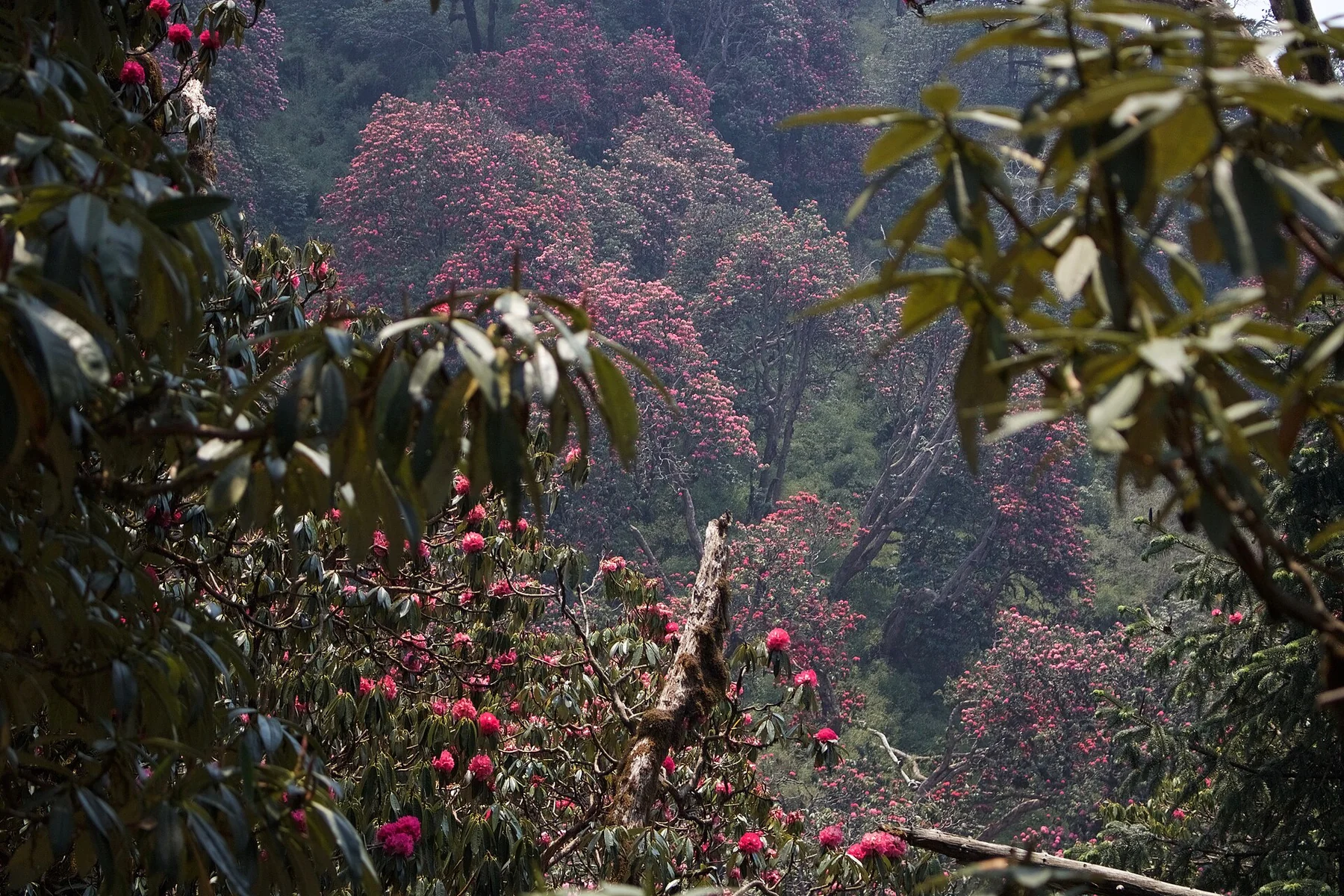
The flowering forest photograph on this page was made at Ghorepani in April 2016. It is evidence of that scene at that time, not a flowering calendar or a forecast for your visit. Colour and weather differ across the region. Look for a named location and date when comparing travel images.
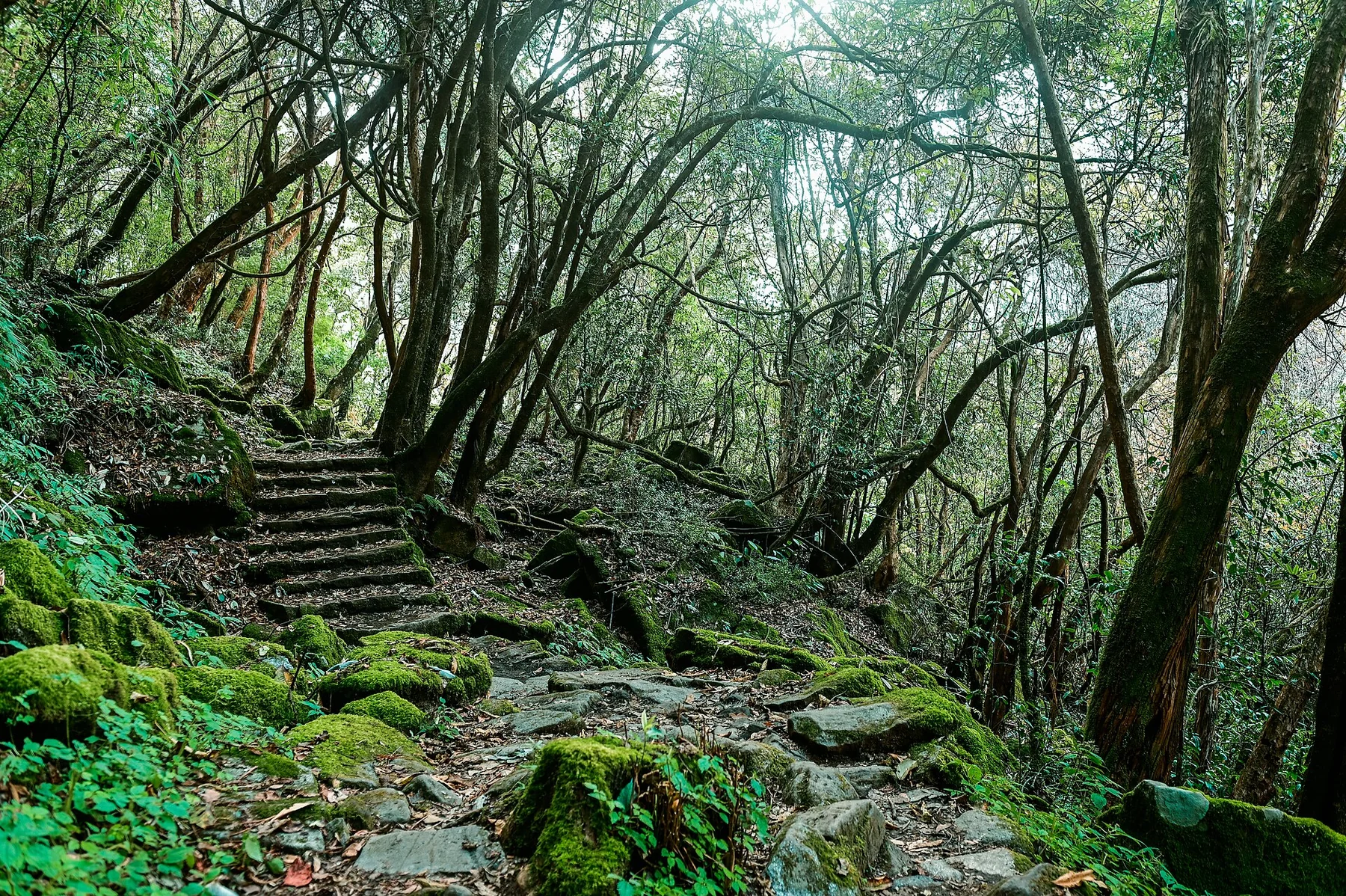
The second image shows a forest approach toward Annapurna Base Camp in October 2021. The two photographs help explain different visual settings without merging them into a single route. Neither image indicates the present condition of the path.
Ask a more useful question
Instead of asking whether a whole trip is environmentally perfect, ask what can be checked: how a lodge handles waste, whether a visit is welcomed, or which local guidance applies to a path. Respect a limit even when it makes a photograph or a schedule less convenient.
Read Ghandruk and the southern foothills for settlement context, then use the planning guide to organise current checks. Regional conservation is an ongoing local undertaking, not an experience completed by visiting one viewpoint.
Background: NTNC: Conservation Economy. The visitor checklist is original editorial guidance.

Annapurna Circuit Trek Fixed departure (Oct 1st/ Nov 1st 2025)
Poonhill Trek is a part of beautiful Annapurna Circuit Trek & Nepal’s one of the most famous, shortest & easiest tea-house treks that includes the b...

Mardi Himal Trek -5 Day Short Trek From Pokhara
Embark on a journey to a hidden treasure of the Annapurna region, the Mardi Himal trek. Leading you to the lap of th...

8-Day Annapurna Circuit Private Trekking Tour
Trek the Annapurna Circuit on this 8-day guided adventure through diverse landscapes from forests to high-altitude d...

3 days Upper Budhi Gandaki whitewater rafting
Budhi Gandaki starts on the eastern slopes of Manaslu (the 8th highest peak in the world) and the Ganesh Himal thus...